

Connecting The Dots
From UFOs to the Environmental Crisis

🌏 Welcome back to UnEarthed! We're thrilled to have you here. Let's dive into today's lineup:
One — Nature's Interconnected Web
Two — Urgent Realities
Three — Changing World Order
If you're new to our newsletter, we invite you to join us! It's completely free and effortless. Get our content delivered to your inbox every Tuesday.
Nature's Interconnected Web
Let's pause our discussion on extraterrestrials and concentrate on the critical issue of energy, the vital force sustaining humanity, albeit at a significant cost to our planet. While not groundbreaking, the fossil fuel industry and the government are two narratives that are far more intertwined than I expected at the beginning of my research.
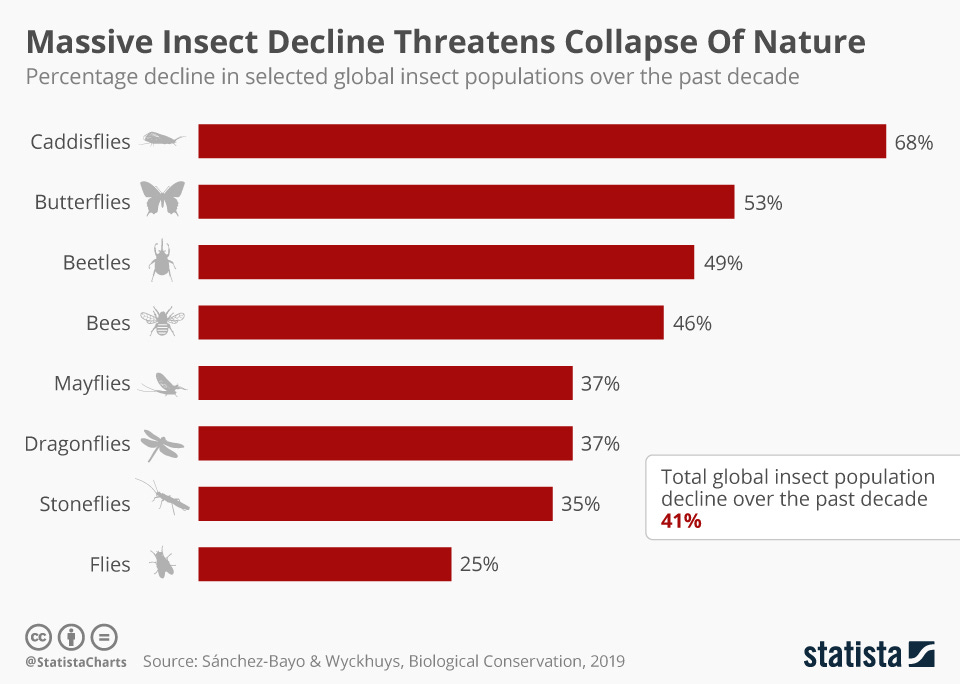
While high-level metrics like rising temperatures, sea level changes, and greenhouse gas levels typically define global environmental concerns, it's imperative that we grasp the profound interconnectedness of all living beings. Every single organism contributes to the entangled web of life, each with its unique set of causes and effects within our ecosystem. To make a significant impact, we need a more holistic understanding of the ecosystem's complexities, recognizing the vital roles even the tiniest creatures play.
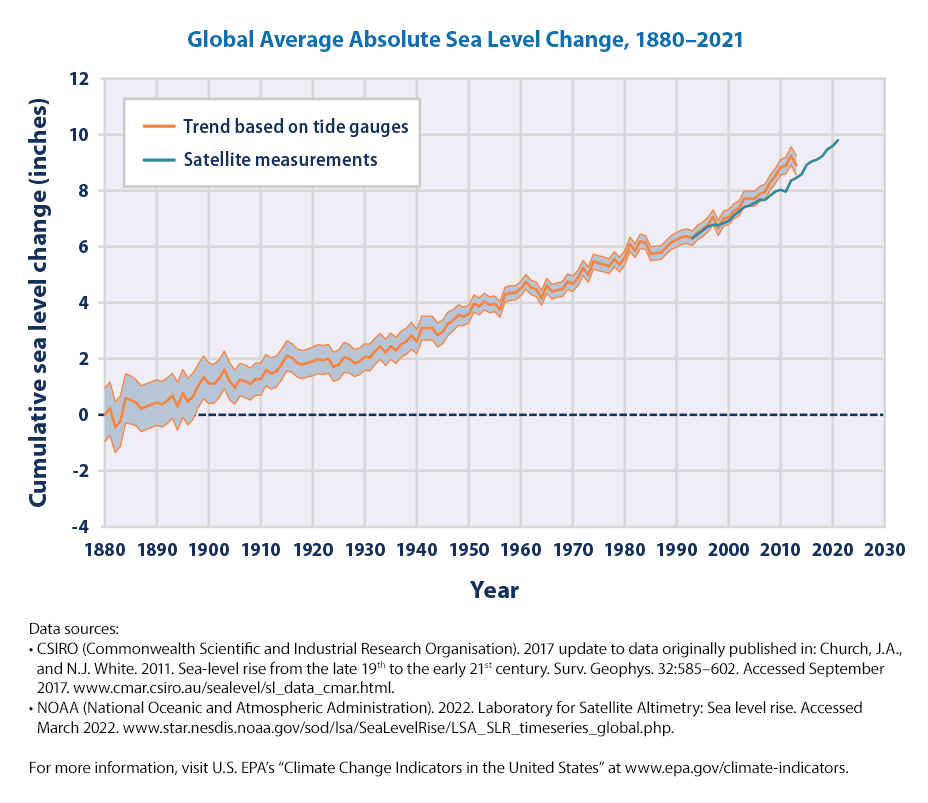
Take insects, for instance. These tiny creatures are the backbone of many terrestrial ecosystems. They pollinate plants, ensure the production of fruits and seeds, decompose organic matter, and form the primary diet for many birds, mammals, and amphibians. A decrease in insect populations can cause adverse effects throughout the food chain, diminishing an ecosystem’s resilience and productivity. Recent studies have pointed to alarming declines in insect populations, a decrease of over 75% in the last 30 years. Such reductions could break down the intricate relationships that sustain life on Earth.
Facing the Urgent Realities
This is just one of the many statistics that indicate the troubling direction our species and planet are heading. I bring up these facts not to instill fear or push an agenda but to emphasize the importance of fully comprehending the scope of our current predicament.
I don't foresee this level of devastation happening during my lifetime. However, I am resolute in my belief that it's our moral duty to contemplate the well-being of future generations.
While previous generations may not have fully grasped our current trajectory, the responsibility to squarely confront this reality now falls upon us. It's a burden we must bear for the sake of our planet and all those who will inherit it.
Charles Eisenstein, an environmentalist and accomplished author, advocates in his book Climate - A New Story that it's vital to move beyond mere environmental data and go deep into the weeds of relationships within nature. A thriving ecosystem depends on the health and diversity of its smallest members. If we ignore the decline of insects and the myriad ways they support life, we risk unraveling the delicate balance that has evolved over millennia.
J.B. MacKinnon is a Canadian journalist and author known for his writings on nature and the environment. His work often touches on the transformations human activities have imposed on the planet. The alarming fact is that every day, around 150 plants and species go extinct. Sir Robert Watson, chair of the Intergovernmental Science-Policy Platform on Biodiversity and Ecosystem Services (commonly called the IPBES), compiled the assessment.
"The health of ecosystems on which we and all other species depend is deteriorating more rapidly than ever,"
Consider the whale population: possibly only 10% remain from populations 500 years ago. Fish biomass in our oceans has witnessed drastic reductions. Wetlands, essential for biodiversity and water purification, are rapidly disappearing. The ice caps, crucial for maintaining global climate stability, are continuing to melt. All these changes paint a grim picture of an Earth in distress.

I pose these questions with the aim of comprehending the full extent of our existence. It's often effortless for us, particularly in this nation, to navigate our daily lives without pondering these matters. Our attention tends to be consumed by our work, careers, families, and financial obligations. Adding these questions to our already full plates may seem uninviting.
A Changing World Order
In today's interconnected world, power and influence have become concentrated among a handful of tech, oil, gas, and financial giants. Can society undergo a monumental transformation? It's becoming increasingly evident that the democracy we once knew has subtly shifted toward a form of corporatocracy, where a select few shape our collective destiny.
The pressing query arises: If we, as a united populace, were to demand change and transparency, could such a transformation become a reality? From my vantage point, it appears that the window of opportunity for initiating this change has narrowed, and we're hurtling towards an uncertain future, burdened with consequences that our descendants will bear.
Perhaps it's my optimism, but I see a glimmer of hope in the potential disclosure and transparency around UFOs. Such revelations shouldn't only direct our attention outwardly but also encourage deep introspection. This internal transformation could be the catalyst for a shift in collective consciousness, propelling us toward a future devoid of pollution, corruption, conflict, and devastation. The dream of peace on Earth is one we should never relinquish.
Sources
https://www.epa.gov/climate-indicators/greenhouse-gases
https://www.visualcapitalist.com/ranked-the-largest-oil-and-gas-companies-in-the-world/